We’re Fighting Poverty in Africa…And it’s Working

Malawan Lejalle and Algoya Basele in their REAP kiosk in Ndikir village. They sell affordable food and basic household supplies.

ECONOMIC EMPOWERMENT: BOMA uses innovative microfinance and job-skills training programs to help the pastoral nomads of Northern Kenya to establish sustainable small businesses in their communities. In a region devastated by drought and poverty, women are using the tools of economic self-empowerment to feed their families, educate their children and pay for medical care. LOCAL LEADERSHIP: BOMA’s economic empowerment program is led by trained Village Mentors. They are respected local residents with professional experience, such as school teachers and shop owners. Here’s how The BOMA Project works:
Why Our Work Matters.

Sabthio Wambile feeds her children by lantern light. Income from her REAP business helps her support her family.
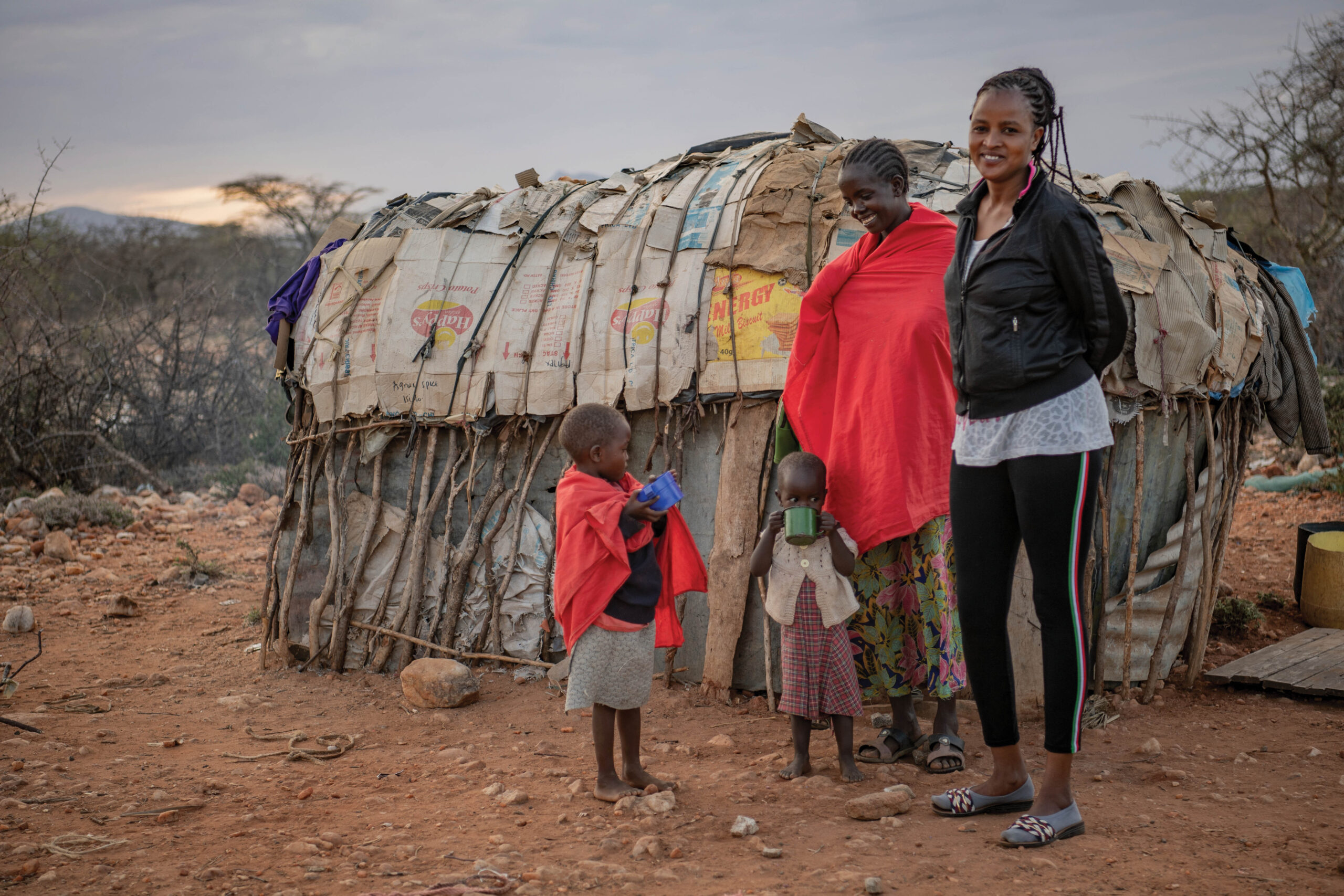
Northern Kenya lies at the crossroads of some of the greatest challenges of our time: poverty, climate change, and the fight for the hearts and minds of people who live in proximity to volatile countries like Somalia. By providing access to financial and technical resources, BOMA is helping women to find a new and sustainable way to make a living. Here’s why our work matters…
What’s New at BOMA
Recent Posts
-
A Baby Named Boma by BOMA Project:
When we arrive back at Judy’s house, a large group of women are waiting for us. They’re beautifully adorned in their jewelry and headdresses, and all of the women are wearing bright orange shukas.
Omar puts a bottle of water in my hand as our entire group heads out to a local meeting hall. As we walk we see a troubling sight: “Muslim Village,” a sign proclaims.
“We have always lived together in this village, Christian, Muslim and traditional African, but now we have this man, who wants to be our next MP, who says the Muslims should live separately from the .... - The Famine Next Time by BOMA Project: A recent opinion article by Samuel Loewenberg in The New York Times (November 26, 2011) correctly observes that the current hunger crisis in the Horn of Africa, which has afflicted some 13 million people, was predicted for months. "The drought has been mounting for a year, but it wasn’t until the crisis peaked over the summer that the news media and most international donors took notice," he writes. "It’s a familiar cycle: first come the news media pictures of emaciated infants, followed by conferences on how to do better next time, visits from top-level government officials and large financial commitments from ....
Follow Us!